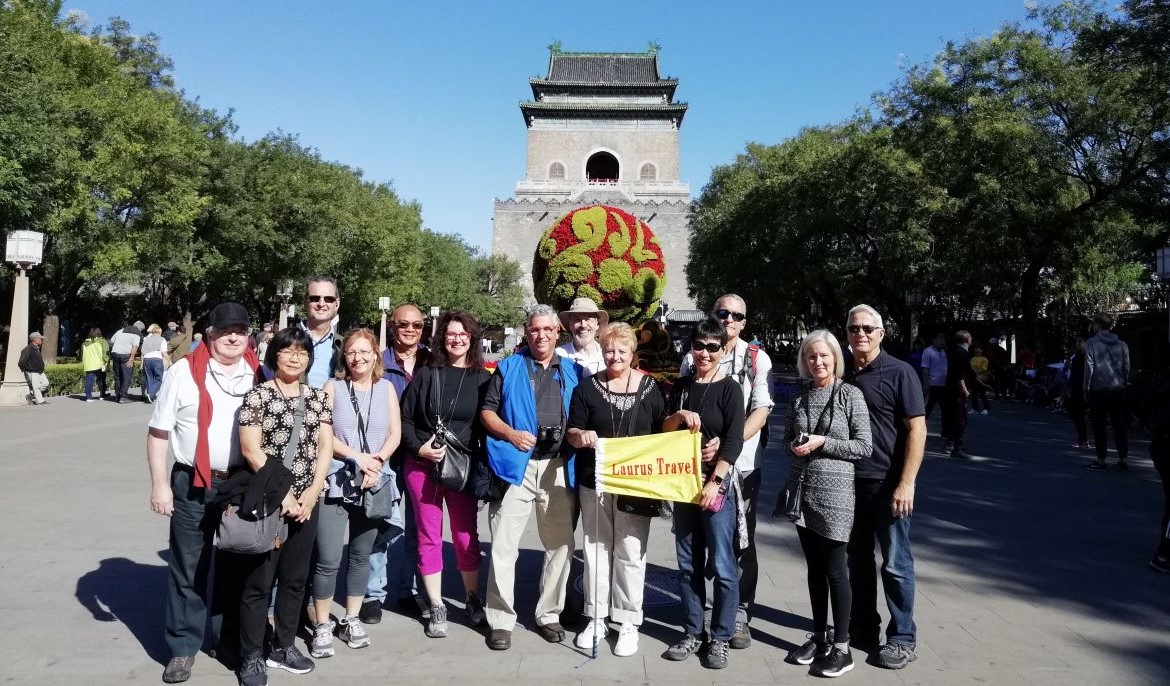

China is a fascinating destination that combines ancient history, modern cities, diverse cuisine, and breathtaking landscapes. Before booking their trip, many Canadian travellers have similar questions about visas, payments, transportation, and local customs.
Based on interactions with our customers, here are the Top 10 Questions our Canadian guests ask before visiting China. They are followed by our answers to help you prepare for a smoother and more rewarding journey.

Top 10 Questions Canadian Travellers Ask Before Visiting China
1. Do Canadians Need a Visa to Visit China?
Effective February 17, 2026, Canadian passport holders can travel to China for up to 30 days visa-free! Visa requirements can change, so travellers should always check the latest entry regulations before departure.
2. Is China Safe for Canadian Tourists?
China is generally considered a safe destination for visitors. Violent crime against tourists is uncommon, and major cities have extensive security measures. As with any destination, travellers should remain aware of their surroundings and take normal precautions against scams and petty theft.
Canadians traveling to China with Laurus Travel are experiencing a major surge in popularity, heavily driven by warmer diplomatic ties and a recent policy change. Prime Minister Mark Carney’s official visit to Beijing secured visa-free entry for Canadians for stays up to 30 days, prompting a massive spike in travel bookings for China.
3. What Is the Best Time to Visit China?
Spring (March–May) and autumn (September–November) are often considered the most comfortable seasons. Temperatures are moderate, and many attractions are less crowded than during major holiday periods.
Warning: The first week of October is a National Day holiday week and should be avoided due to overcrowding at all the tourist sites.
4. Can I Use My Canadian Credit or Debit Card?
International cards are accepted in some hotels, airports, and larger stores, but mobile payments dominate daily life in China. Visitors are encouraged to set up popular payment apps such as WeChat or Alipay before or shortly after arrival whenever possible.
Our guides are experienced in helping guests with such needs.
5. Will My Mobile Phone and Apps Work?
With roaming turned on, Canadian smartphones work in China. Instead of buying a local SIM card on arrival, guests are strongly advised to buy an eSIM before travelling to China. This would allow you to bypass the Great Firewall of China so that your access to Google and Gmail would remain uninterrupted.
Laurus Travel staff has been trained to offer you guidance in the purchase and installation of eSIM for China travel.
6. Do People Speak English?
English is spoken in many international hotels, airports, and major tourist attractions, but it is less common outside large cities. Translation apps such as Google Translate can make travel much easier, but you’ll need an eSIM with enough cellular data to benefit from such convenience.
7. How Do I Get Around China?
China has one of the world’s largest high-speed rail networks, making train travel fast and convenient. Major cities also offer extensive subway systems, ride-hailing services, and domestic flights for longer distances.
Laurus Travel offer tour packages that move between the cities exclusively by high-speed train.
8. What Should I Know About Chinese Food?
Chinese cuisine varies dramatically by region. Travellers can expect everything from spicy Sichuan dishes to Cantonese dim sum and northern noodle specialties. Food is often shared family-style, making meals a social experience.
Friendly Reminder: Good Chinese restaurants do not provide forks and knives. If you are not used to eating with chopsticks, you should start practising as soon as possible.
9. Is China Expensive?
China can accommodate a wide range of budgets. While luxury hotels and upscale dining can be costly, many transportation, accommodation, and food options remain affordable compared with major Canadian cities.
China is no longer a poor country. Its nominal GDP per capita in 2026 is expected to reach US$14,874 according to International Money Fund, while its Purchasing Power Parity per capital is projected to hit US$31,600 in 2026. The tour price you pay should reflect this new reality.
10. What Cultural Etiquette Should Visitors Know?
Respect for local customs is appreciated. Simple gestures such as being polite, respecting queues, accepting items with both hands in formal situations, and showing consideration at cultural and religious sites can help create positive interactions.

Final Thoughts
For Canadian travellers, visiting China offers a unique opportunity to experience thousands of years of history alongside cutting-edge modern development. By understanding entry requirements, payment methods, transportation options, and local customs before departure, travellers can enjoy a smoother and more rewarding journey.