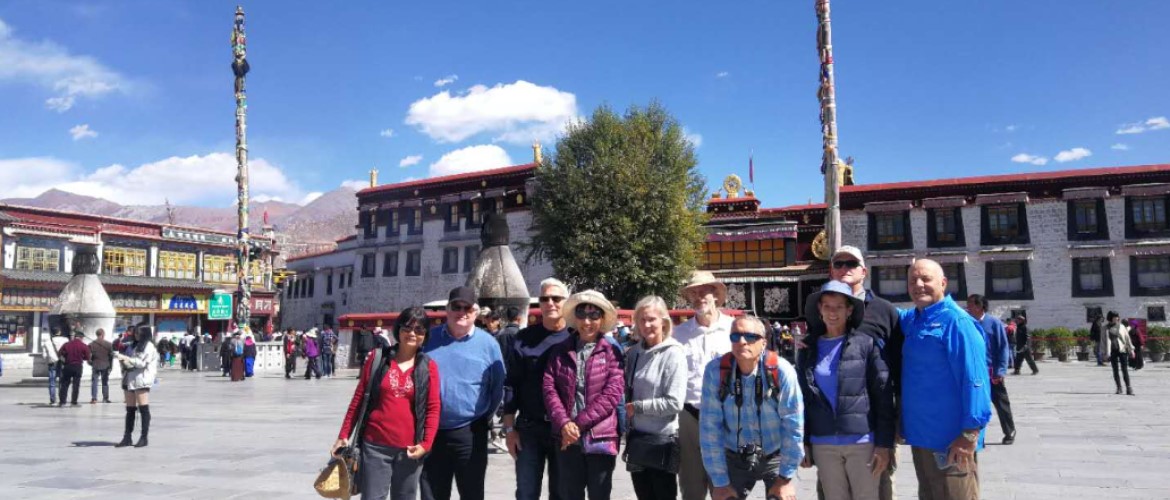
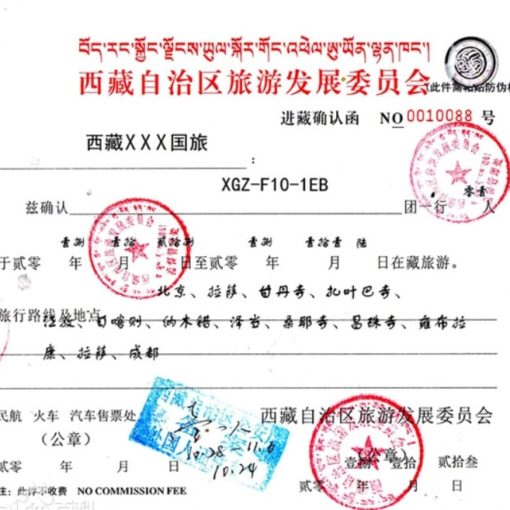
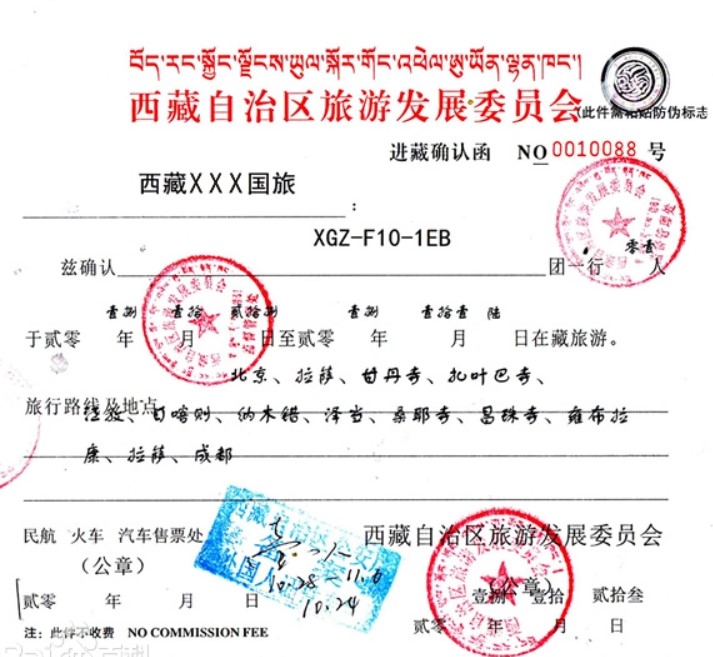
The best time to visit Tibet is from May to October each year. Understandably, that is also the peak season for tourism in Tibet. During this period, the weather in Tibet is relatively stable, with plenty of sunshine and pleasant temperatures, making it ideal for enjoying the alpine natural scenery such as snow-capped mountains and lakes, as well as experiencing local cultural activities.
Most Western visitors go to Tibet in May, June, September and October due to clear weather, suitable temperatures, and beautiful scenery. Local Chinese often prefer to visit Tibet in the summer (July & August). Although summer is Tibet’s rainy season, most of the rainfall occurs at night, having little impact on daytime activities. Additionally, during this time, the oxygen content in the air is sufficient, making it more suitable for traveling with the elderly and children. That is why when you go to Tibet in summer, you should prepare to pay more than normal on airfares, vehicle charters, hotels, admission fees at major tourist attractions, and guide fees. Train fares are stable but seats, especially sleeper seats, are hard to come by.
Low season for tourism in Tibet runs between November and April of the following year. During that period, temperatures are lower and snowing is possible. However, low season allows travellers to avoid crowds and enjoy a quieter travel experience.
In summary, if you seek a comfortable travel experience in Tibet, May-June and September-October are ideal choices. If you wish to avoid crowds and enjoy more favorable travel prices, consider visiting during the off-peak season, but be sure to take appropriate measures for warmth.
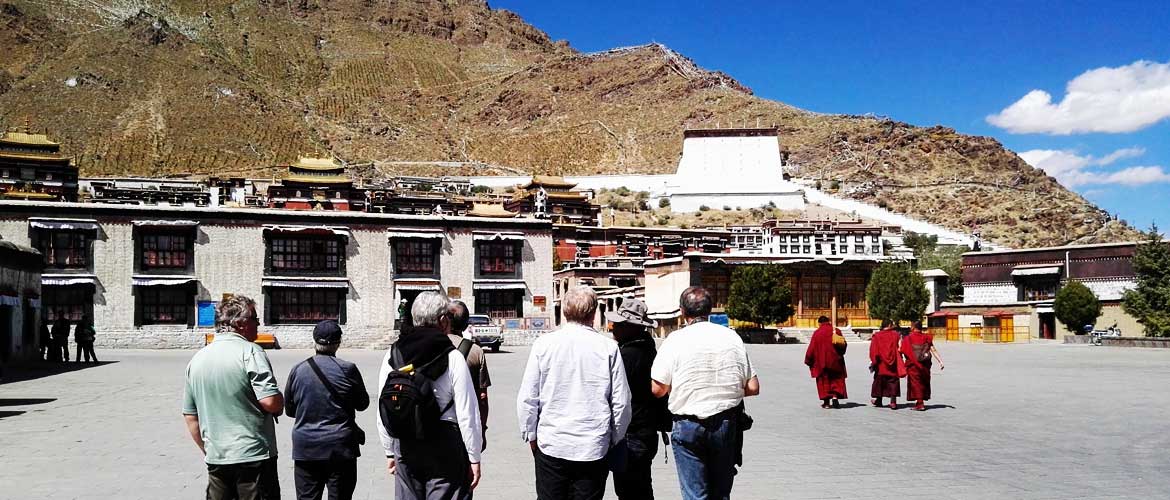
Recommended Itinerary – Best of China with Tibet (19 days)
Beijing – Xi’an – Chengdu – Lhasa – Gyantse – Shigatse – Lhasa – Chongqing – Shanghai
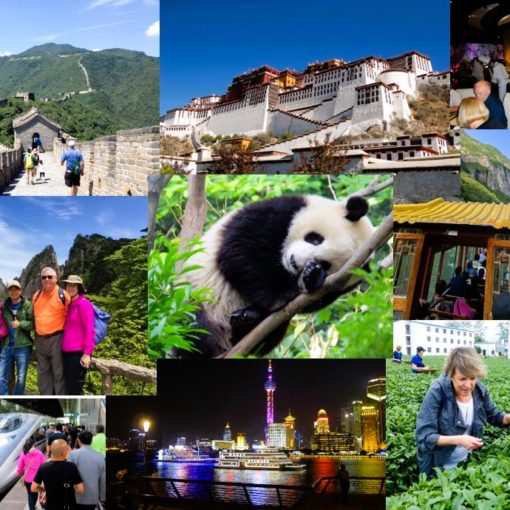
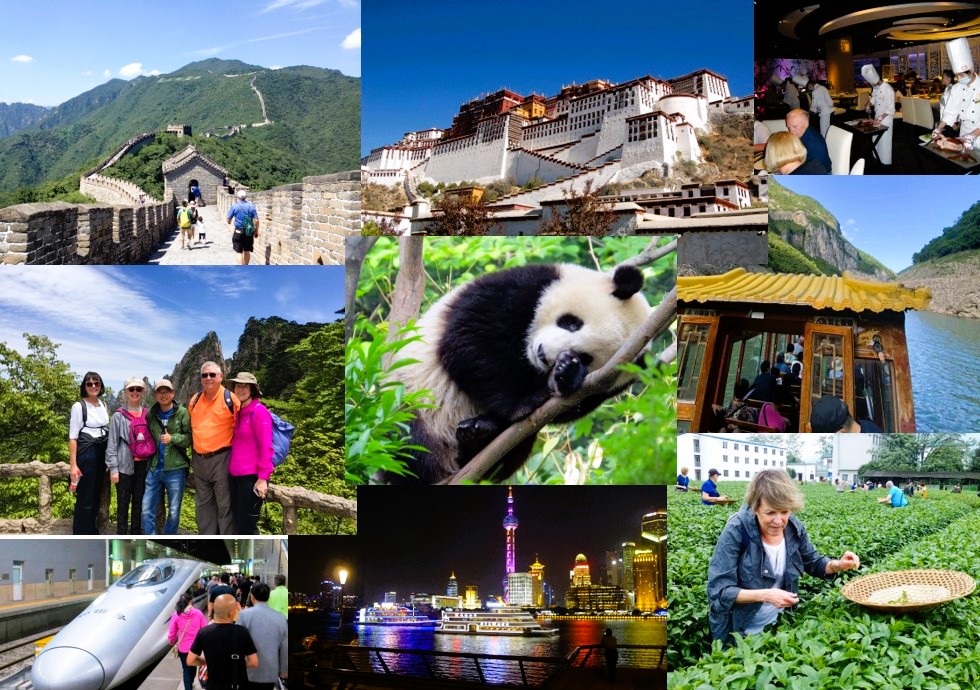
Join us on this exciting journey to Tibet – the Roof of the World! Expert guides, small group size, no forced shopping, gourmet food, and loads of fun – those are the important features of this luxury China tour with Tibet. Trip highlights include Potala Palace, Yamdrok Yumtso (lake), Gyantse Fortress, Tibetan family visit, the Great Wall, and Chengdu Giant Panda Research Center.
Important Features
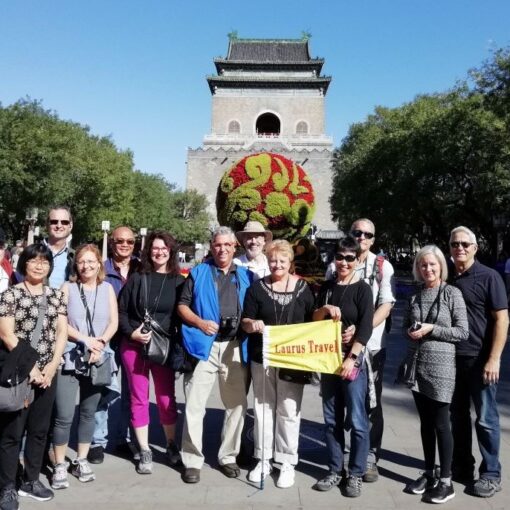
- Small group size – average 15, maximum 20
- Expert local guides hand-picked by company owners
- No shopping stops
- Quality meals at non-tourist restaurants
- Unlimited supply of bottled water during group activities
- Great Wall visit at Mutianyu with cable car
Options Available
- Peking opera show in Beijing
- Princess Wencheng stage performance in Lhasa
- Face Mask Changing performance in Chengdu
Meal Code: B = breakfast / L = lunch / D = dinner
Day 1/Thu: Departing for Beijing
The trip starts with your transpacific flight departing from a city of your choice. You’ll lose a day upon crossing the International Date Line.
Day 2/Fri: Arrival in Beijing
Meet the driver on arrival for transfer to the hotel. You’ll have the remainder of the day at leisure. The guide will get in touch with you tonight.
Day 3/Sat: Beijing (B/L/D)
The capital of China, Beijing is a world-class cultural and educational centre with a population of 21.9 million (2020), ranking it China’s second largest city behind Shanghai. Beijing is renowned for its opulent palaces, temples, and huge stone walls and gates – treasures that make it the most popular tourist city in China by the number of visitors it receives every year.
We begin our sightseeing today at the Forbidden City. Officially known as the Palace Museum, the Forbidden City was the place where the emperors of the Ming (1368-1644) and Qing (1644-1912) dynasties lived and carried out their administration. Construction of the Forbidden City took 14 years (1406-1420) to complete. The complex consists of 980 buildings and covers 72 hectares or 180 acres. It exemplifies traditional Chinese palatial architecture and has influenced cultural and architectural developments in East Asia and elsewhere.
Tian’anmen Square comes next. Located in the heart of Beijing, the square measures 880 metres from north to south and 500 meters from east to west. Said to be the largest public plaza in the world, Tian’anmen Square has the capacity to hold one million people. The imposing Tian’anmen Tower sits at the north end of the square while the Monument to the People’s Heroes dominates the centre. The square is flanked by The Great Hall of the People (west) and the National Museum (east). Chairman Mao’s Mausoleum and Qianmen (Front Gate) are located in the south of the square.